
As you explore the landscape of network security zones, it’s essential to understand their distinct roles and configurations. Each zone—be it the trusted internal network or the demilitarized zone—serves a specific function in safeguarding data and managing access. By examining these categories, you’ll uncover the intricacies of protecting sensitive information and maintaining secure interactions. The implications of these zones extend beyond basic security, raising questions about best practices and emerging threats.
Key Takeaways
- Trusted Internal Network: Centralized security zone ensuring sensitive data access is limited to authorized personnel and devices with strong authentication mechanisms.
- Demilitarized Zone (DMZ): Acts as a buffer for external-facing services, enhancing security by isolating these services from critical internal systems.
- Extranet Security Zone: Facilitates secure interactions with external partners while protecting sensitive data through strict access controls and robust authentication methods.
- Guest Network Zone: Provides controlled access for guests, ensuring isolation from the main network and limiting access to necessary resources only.
- Cloud Security Zone: Focuses on data protection in cloud environments, emphasizing strong identity management and encryption for data both in transit and at rest.
Understanding Network Security Zones
When you think about network security, understanding security zones is vital for protecting your organization’s assets. Security zones categorize parts of your network based on different levels of risk and required security measures.
Implementing network segmentation is essential, as it allows you to isolate sensitive data and critical systems within specific zones. Each zone must have tailored security policies that define access controls and monitoring protocols, ensuring that only authorized personnel can reach critical resources.
By establishing clear boundaries, you enhance your organization’s ability to detect and respond to threats. Furthermore, effective zone management can minimize the attack surface, reducing the likelihood of unauthorized access and data breaches.
Prioritizing these strategies will greatly bolster your overall network security posture.
Trusted Internal Network
A trusted internal network serves as the backbone of your organization’s security framework, fostering a secure environment for critical communications and data transfers.
This zone is essential for guaranteeing that only authorized personnel and trusted devices interact with sensitive data.
To maintain a robust trusted internal network, consider the following:
- Secure Access Protocols: Implement strong authentication mechanisms to verify user identity and device legitimacy.
- Network Segmentation: Divide your internal network into smaller segments to minimize exposure and limit potential breaches.
- Regular Audits: Conduct periodic security assessments to identify vulnerabilities and guarantee compliance with security policies.
Demilitarized Zone (DMZ)
A Demilitarized Zone (DMZ) serves as a critical buffer between your internal network and untrusted external networks, effectively minimizing exposure to potential threats.
By configuring a DMZ, you can host external-facing services while maintaining strict control over access to your trusted internal resources.
Understanding the various DMZ configuration types and their associated security benefits is essential for enhancing your overall network security posture.
Purpose of DMZ
The purpose of a Demilitarized Zone (DMZ) is to create a secure buffer between an organization’s internal network and external threats, such as the internet.
This DMZ architecture enhances security by isolating public-facing services, minimizing exposure to vulnerabilities.
Here are three key DMZ benefits:
- Controlled Access: It allows you to manage who accesses your internal network, reducing the risk of unauthorized entry.
- Service Segmentation: By housing public services like web servers in the DMZ, you limit their interaction with critical internal systems.
- Enhanced Monitoring: You can implement robust security measures and monitoring tools in the DMZ, providing better visibility and response capabilities against potential threats.
Incorporating a DMZ is essential for a layered security approach in today’s complex network environments.
DMZ Configuration Types
When considering DMZ configuration types, understanding how different setups can impact security and performance is essential.
You can opt for a single firewall or a dual-firewall DMZ architecture. In a single firewall setup, you’ll have DMZ server placement directly behind the firewall, which simplifies management but may expose vulnerabilities.
A dual-firewall configuration enhances security by segmenting the DMZ from the internal network, requiring stricter DMZ firewall rules. Here, you’ll place DMZ servers between two firewalls, allowing for granular access control and reduced risk.
Each configuration has its trade-offs, so you’ll need to evaluate your organization’s security needs and resource availability to choose the most effective DMZ setup for your infrastructure.
Security Benefits Offered
While configuring a Demilitarized Zone (DMZ) may seem like a secondary consideration, its security benefits are crucial for protecting sensitive internal networks.
By strategically isolating public-facing services, you enhance your overall security posture. Here are three key benefits:
- Layered Security: DMZs add an additional layer of defense, allowing you to implement specific security protocols for external traffic while safeguarding internal resources.
- Controlled Access: By segmenting your network, you minimize the risk of unauthorized access, ensuring that only vetted users can interact with sensitive systems.
- Risk Assessment: DMZs facilitate better risk assessment, as you can monitor and analyze traffic patterns effectively without exposing your core network.
Implementing a DMZ isn’t just smart; it’s a crucial step in contemporary cybersecurity strategy.
Untrusted External Networks
Untrusted external networks are defined as any network outside your organization’s secure perimeter, often characterized by a lack of authentication and varying security protocols.
These networks pose significant security risks, including data breaches and exposure to malware, which can compromise your internal systems.
Understanding these risks is essential for developing effective security measures to protect your assets.
Definition and Characteristics
External networks, often labeled as untrusted, pose significant risks to organizational security due to their unpredictable nature and lack of inherent safeguards.
To effectively manage these risks, you should understand key characteristics of untrusted external networks:
- Absence of Network Segmentation: These networks lack the controlled boundaries that segment trusted environments, increasing vulnerability to attacks.
- Varied Security Protocols: Since external networks employ diverse security protocols, compatibility issues may arise, complicating secure communications.
- Exposure to Threats: Untrusted networks are prime targets for cybercriminals, making any connection a potential breach point.
Security Risks Involved
When connecting to external networks, you’re inherently exposing your organization to a variety of security risks that can compromise sensitive data and system integrity.
Untrusted networks often harbor security vulnerabilities, making them prime targets for cyberattacks. Hackers can exploit these vulnerabilities to gain unauthorized access, deploy malware, or intercept communications.
As a result, conducting a thorough risk assessment becomes vital. This process helps you identify potential threats, evaluate their impact, and implement effective countermeasures. Without this proactive approach, you risk exposing critical information, leading to financial loss and reputational damage.
Adopting stringent security protocols, such as encryption and firewalls, can mitigate these risks, but staying vigilant against evolving threats is essential for maintaining your organization’s cybersecurity posture.
Extranet Security Zone
While many organizations focus on internal security measures, the Extranet Security Zone plays an essential role in facilitating secure interactions with partners, suppliers, and customers. This zone allows controlled extranet access, ensuring sensitive data remains protected while enabling collaboration.
To maintain security within the Extranet Security Zone, consider these key components:
- Authentication Mechanisms: Implement robust authentication methods, like multi-factor authentication, to verify user identity.
- Extranet Protocols: Utilize secure protocols such as HTTPS and VPNs to encrypt data in transit, preventing unauthorized access.
- Access Control Policies: Establish strict access control policies to limit user permissions based on their roles and responsibilities.
Intranet Security Zone
The Intranet Security Zone serves as the backbone of an organization’s internal communications, safeguarding sensitive information shared among employees.
To guarantee robust security, you need to implement intranet firewalls that monitor traffic and block unauthorized access. These firewalls act as a barrier, allowing only legitimate intranet access while preventing potential threats from infiltrating your network.
Implementing intranet firewalls is essential for monitoring traffic and blocking unauthorized access, safeguarding your network from potential threats.
By segmenting your intranet from external networks, you create a secure environment for collaboration, file sharing, and communication. Regular audits and updates of your firewall configurations are essential to mitigate emerging vulnerabilities.
Additionally, educating employees about safe practices within the intranet is critical, as human error can often lead to security breaches. Prioritizing these measures enhances the overall integrity of your organization’s internal communications.
Guest Network Zone
As organizations prioritize their internal security through robust intranet measures, the management of a Guest Network Zone becomes equally important. This zone allows for guest access while ensuring sensitive internal resources remain protected through network isolation.
Proper configuration and monitoring are essential for maintaining security.
Here are three key considerations for managing a Guest Network Zone:
- Access Control: Limit guest access to only necessary resources, minimizing exposure to sensitive data.
- Network Segmentation: Implement strict network isolation to separate guest users from the main network, reducing risk.
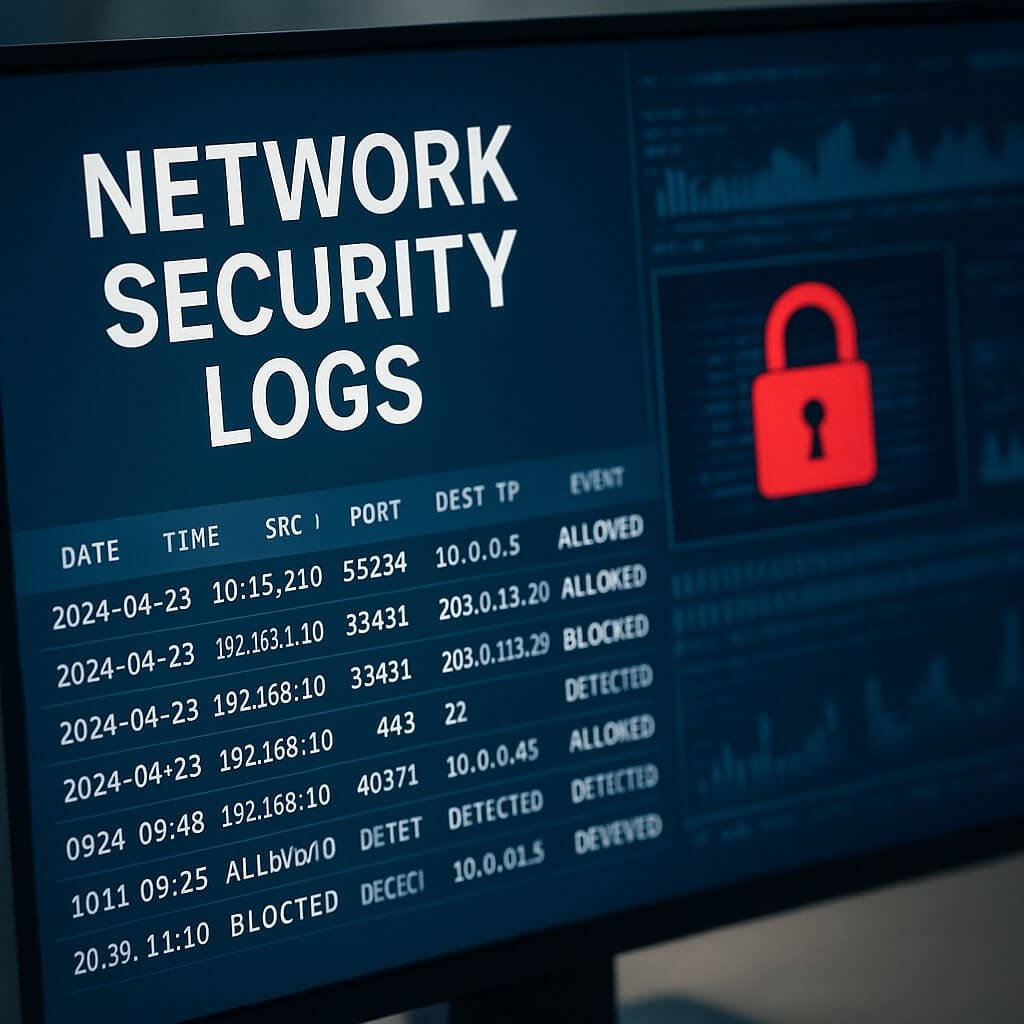
- Monitoring and Logging: Continuously monitor guest activity and maintain logs to detect any suspicious behavior and respond swiftly.
VPN Security Zone
A well-configured VPN Security Zone is essential for protecting sensitive data as employees access corporate resources remotely.
By implementing robust VPN protocols, like OpenVPN or IKEv2, you guarantee secure and reliable connections. These protocols establish encrypted tunnels that safeguard data from interception.
Additionally, you’ll want to use strong VPN encryption standards, such as AES-256, to enhance the confidentiality and integrity of your communications. This encryption not only protects data in transit but also minimizes the risk of unauthorized access to your network.
Regularly updating your VPN software and monitoring for vulnerabilities also fortifies your security posture.
Ultimately, a well-maintained VPN Security Zone serves as a critical barrier against cyber threats, allowing your workforce to operate securely from anywhere.
Cloud Security Zone
Establishing a Cloud Security Zone is essential for safeguarding data stored and processed in cloud environments. By guaranteeing robust security measures, you can enhance cloud access and maintain cloud compliance, minimizing risks associated with cloud vulnerabilities.
Here are three key considerations for creating an effective Cloud Security Zone:
- Identity Management: Implement strong authentication protocols to control user access and guarantee only authorized personnel can access sensitive data.
- Data Encryption: Encrypt data both in transit and at rest to protect it from unauthorized access and breaches.
- Monitoring and Auditing: Regularly monitor cloud usage and conduct audits to guarantee compliance with security policies and regulatory requirements.
Conclusion
In conclusion, understanding the distinct functionalities of various network security zones is vital for implementing effective security measures. By clearly defining trusted internal networks, DMZs, extranet zones, and others, you can tailor your security protocols to address specific threats and vulnerabilities. This strategic approach not only protects sensitive data but also enhances overall network integrity. As security landscapes evolve, continually evaluating and adapting these zones will be essential to maintaining robust defenses against emerging threats.