
Configuring your network for effective vulnerability management is essential in today’s threat landscape. You need to start by evaluating your current network configuration to identify any weaknesses. This process requires a detailed examination of your network topology and device settings. By understanding where your vulnerabilities lie, you can take the next steps to fortify your defenses. But how do you select the right tools and strategies to mitigate these risks effectively?
Key Takeaways
- Conduct a thorough network configuration assessment to identify potential vulnerabilities and document current devices and connections.
- Implement network segmentation to limit access to sensitive data and contain potential threats within specific segments.
- Regularly review and update configuration documentation to align with best practices and address emerging vulnerabilities.
- Establish a regular vulnerability scanning schedule, incorporating both authenticated and unauthenticated scans for comprehensive coverage.
- Utilize vulnerability management tools that prioritize risks, automate scanning, and provide actionable remediation steps for identified vulnerabilities.
Understanding Vulnerability Management
Understanding vulnerability management is essential for maintaining a secure network environment, especially as cyber threats evolve. You need to be aware of various vulnerability types—such as software flaws, misconfigurations, and inadequate access controls.
Conducting a thorough risk assessment helps you prioritize these vulnerabilities based on potential impact and exploitability. By identifying high-risk areas, you can allocate resources effectively and implement mitigation strategies that align with your organization’s risk tolerance.
Regularly updating your risk assessment guarantees that you stay informed about emerging threats and adjust your vulnerability management practices accordingly.
Assessing Your Current Network Configuration
How well do you really know your current network configuration? A thorough configuration assessment is essential for identifying vulnerabilities.
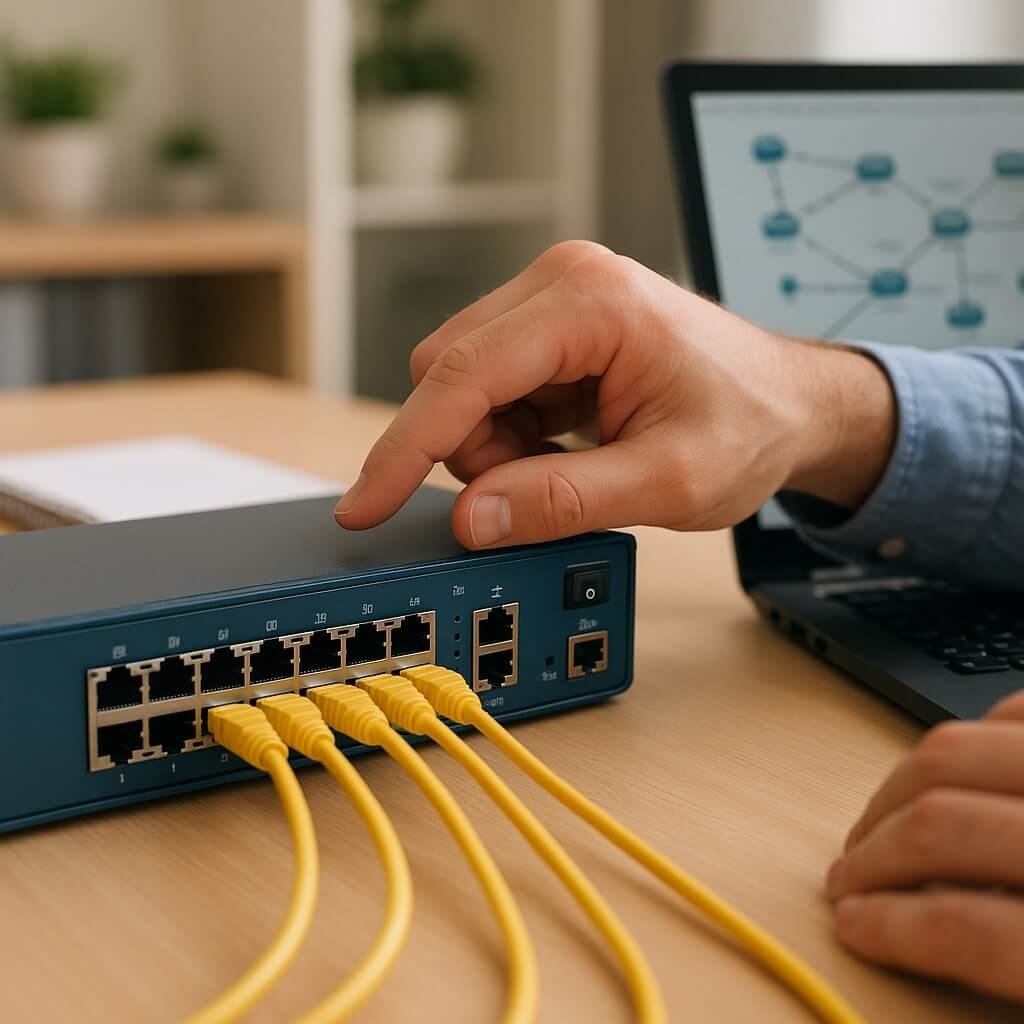
Start by mapping your network topology—documenting all devices, connections, and data flows. This visualization helps you understand how data traverses your network and where potential security gaps may exist.
Mapping your network topology is crucial for identifying connections, devices, and potential security vulnerabilities.
Examine each component, including routers, switches, and firewalls, ensuring they’re configured according to best practices. Pay special attention to access controls and segmentation; improper configurations here can expose sensitive data.
Regularly review and update your configuration documentation, as changes can introduce new vulnerabilities. By conducting a detailed assessment, you’ll gain insights into your network’s security posture, allowing for more effective vulnerability management strategies in the future.
Selecting the Right Vulnerability Management Tools
When selecting the right vulnerability management tools, what features matter most to your organization’s needs? Begin with tool selection criteria, focusing on scalability, ease of integration, and reporting capabilities.
Conduct a thorough feature comparison among various vendors. Key features to evaluate include automated scanning, real-time threat intelligence, and customizable dashboards.
You’ll also want to assess the tools’ ability to prioritize vulnerabilities based on risk levels and provide actionable remediation steps. Consider user experience and support, as these factors can impact the effectiveness of the tool in your environment.
Finally, guarantee compatibility with your existing systems to streamline implementation and enhance overall security posture. By focusing on these criteria, you’ll make a more informed decision for your organization’s vulnerability management strategy.
Implementing Network Segmentation
Implementing network segmentation is essential for enhancing your vulnerability management strategy.
By dividing your network into distinct segments, you can limit access, contain potential threats, and improve overall security posture.
Let’s explore the benefits, steps for effective implementation, and best practices to guarantee ideal results.
Benefits of Network Segmentation
While network segmentation might seem like an additional layer of complexity, it greatly enhances your vulnerability management strategy.
By dividing your network into segments, you achieve significant benefits that lead to improved security posture. Key advantages include:
- Security Isolation: Isolating sensitive systems minimizes the risk of lateral movement by attackers, protecting critical assets.
- Risk Reduction: By containing potential threats within specific segments, you decrease the overall risk to your entire network.
- Improved Compliance: Segmentation helps in adhering to regulatory requirements by ensuring sensitive data is stored and accessed securely.
Incorporating these elements into your network design not only fortifies your defenses but also streamlines your vulnerability management efforts, making them more effective and efficient.
Steps for Implementation
Having established the benefits of network segmentation, it’s important to understand the steps involved in effectively implementing this strategy.
First, assess your existing network architecture to identify critical assets and data flows. Next, define your segmentation policies based on risk management priorities.
Then, create a detailed implementation plan, outlining specific configuration challenges you might face, such as firewall adjustments and access controls. It’s essential to establish clear implementation timelines to guarantee minimal disruption during the process.
After configuring the segments, conduct thorough testing to verify that access controls and communication flows function as intended.
Finally, monitor the segmented network continuously to identify any potential vulnerabilities or misconfigurations that may arise post-implementation.
Best Practices to Follow
To guarantee effective network segmentation, it’s essential to adhere to established best practices that enhance security and operational efficiency.
By implementing these strategies, you can improve your organization’s defense against threats and ascertain sensitive data remains protected.
- Define clear boundaries: Establish zones based on function and risk levels, ensuring that traffic between segments is monitored and controlled.
- Utilize security protocols: Deploy robust security protocols for communication between segments, such as VPNs and firewalls, to safeguard data in transit.
- Regularly review and update: Continuously assess segmentation effectiveness and adjust configurations to address new vulnerabilities or changes in the network architecture.
Establishing a Regular Scanning Schedule
Establishing a regular scanning schedule is crucial for maintaining your network’s security posture, as it enables you to identify and remediate vulnerabilities before they can be exploited.
A consistent scanning schedule is essential for safeguarding your network, allowing prompt identification and resolution of vulnerabilities.
You should determine your scanning frequency based on your organization’s risk tolerance and compliance requirements. Typically, a combination of weekly, monthly, and quarterly scans can provide thorough coverage.
Utilize different scan types, such as authenticated scans for deeper insights and unauthenticated scans for surface-level assessments.
Verify that you adjust your schedule to accommodate any changes in your network architecture or threat landscape.
Prioritizing Vulnerabilities for Remediation
How can you effectively prioritize vulnerabilities for remediation in a complex network environment?
Start by conducting a thorough risk assessment to identify which vulnerabilities pose the highest threat to your organization. Focus your remediation strategies on addressing those that could lead to significant data breaches or operational disruptions.
Consider the following factors when prioritizing:
- Severity Level: Assess the CVSS score to determine the vulnerability’s severity.
- Asset Value: Evaluate the importance of the affected asset to your organization’s operations.
- Exploitability: Identify whether the vulnerability is actively being exploited in the wild.
Monitoring and Reporting on Vulnerability Management Efforts
As you navigate the complexities of vulnerability management, monitoring and reporting become essential components in ensuring your organization’s security posture remains robust.
Implementing a system for real-time alerts allows you to identify and respond to vulnerabilities as they arise, minimizing potential risks.
Real-time alerts empower organizations to swiftly address vulnerabilities, significantly reducing potential security risks.
Utilize performance metrics to assess your vulnerability management efforts, focusing on remediation timelines and the effectiveness of your strategies.
Regularly review these metrics to identify trends and areas for improvement, ensuring your team remains proactive rather than reactive.
Establish a reporting framework that communicates findings to stakeholders clearly and concisely.
This not only enhances accountability but also fosters a culture of continuous improvement within your organization’s security protocols.
Conclusion
By following this step-by-step guide, you can effectively configure your network for vulnerability management. Begin with a thorough assessment and mapping of your network topology, ensuring all devices comply with best practices. Implement network segmentation to safeguard sensitive data and establish a regular scanning schedule to identify vulnerabilities promptly. Prioritize remediation efforts based on risk and continuously monitor and report on your progress. This proactive approach fortifies your defenses against emerging cyber threats, ensuring your network remains secure.