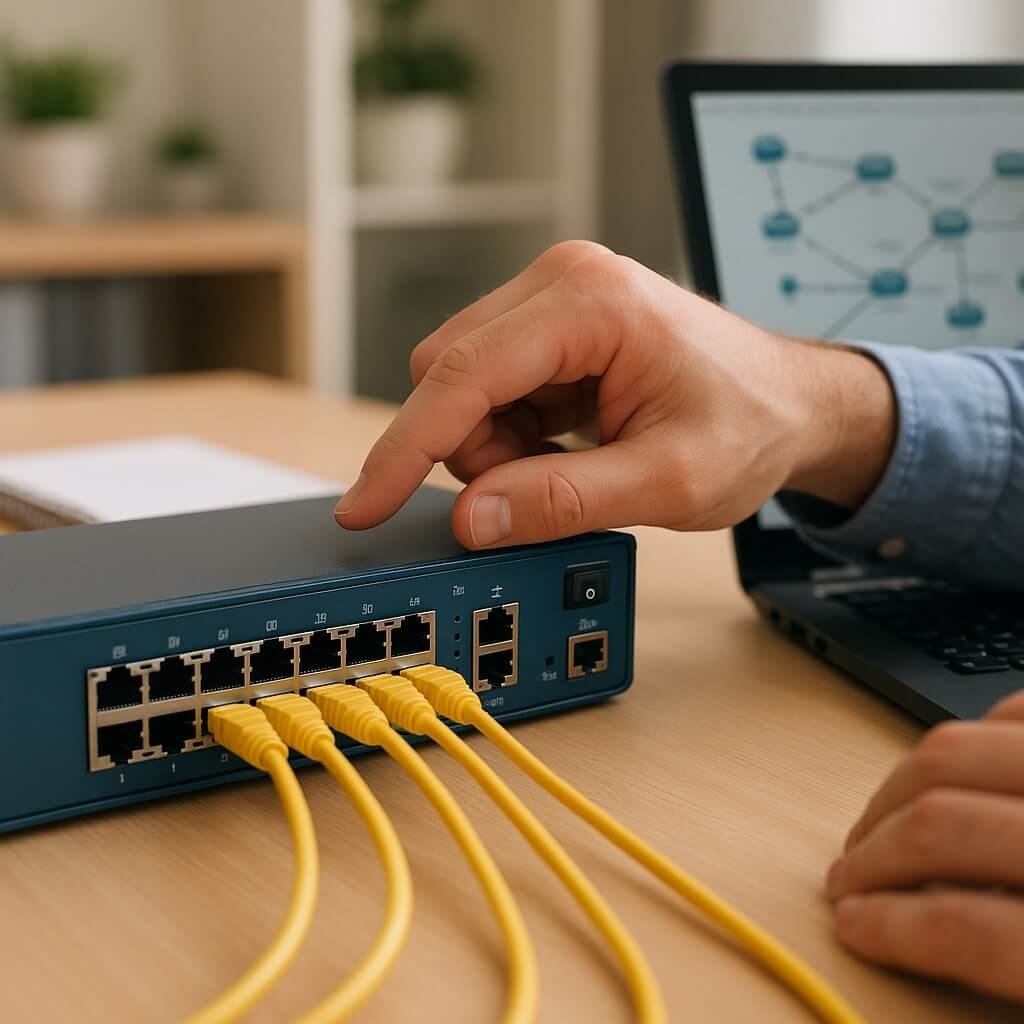
When troubleshooting network security issues, it’s vital to follow a systematic approach. You’ll begin by evaluating your current network setup and identifying existing vulnerabilities. This initial evaluation sets the stage for diagnosing problems effectively. Once you pinpoint the issues, you can implement targeted solutions. However, securing your network doesn’t end there; ongoing monitoring is essential. Understanding these steps can greatly enhance your organization’s security posture. What comes next may surprise you.
Key Takeaways
- Conduct a thorough network mapping to identify devices and connections, helping to pinpoint potential vulnerabilities in the network.
- Analyze security logs for irregularities and unusual activity, which can indicate potential threats needing immediate attention.
- Execute connectivity tests such as ping and traceroute to diagnose and confirm network issues affecting performance and security.
- Prioritize identified security issues based on their potential impact and develop an implementation plan for remediation strategies.
- Utilize network monitoring tools for real-time insights and early threat detection, ensuring ongoing security management and proactive response.
Understanding Common Network Security Issues
What happens when your network security fails? You expose your systems to various network threats, including data breaches, malware infections, and unauthorized access.
These risks arise when security protocols are inadequate or improperly configured. For instance, weak passwords and outdated software can lead to vulnerabilities that attackers exploit.
Additionally, insufficient monitoring and response mechanisms may allow threats to linger undetected, escalating potential damage. Your organization could face significant financial losses, reputational harm, and legal repercussions as a result.
To mitigate these issues, it’s essential to regularly assess and update your security protocols, guaranteeing they align with evolving threat landscapes.
Implementing proactive measures and maintaining robust security standards will safeguard your network against potential breaches and guarantee operational integrity.
Initial Assessment and Gathering Information
To effectively troubleshoot network security issues, you first need to conduct a thorough initial assessment and gather relevant information about your network environment.
Start by performing network mapping to identify all devices, connections, and their configurations. This visualization will help you understand the layout and potential exposure points.
Next, compile a security inventory that lists all security measures in place, such as firewalls, intrusion detection systems, and antivirus software. Documenting existing policies and procedures is also essential.
This foundational information enables you to analyze the network’s security posture accurately and prepares you for the next steps in identifying vulnerabilities and addressing potential threats.
Make sure all data is up to date for maximum effectiveness.
Identifying Vulnerabilities in Your Network
To identify vulnerabilities in your network, you should start by conducting thorough network scans to uncover potential weaknesses.
Next, assess your access controls to guarantee only authorized personnel can reach sensitive information.
Finally, review your security policies to confirm they align with current best practices and effectively mitigate risks.
Conduct Network Scans
Conducting network scans is essential for identifying vulnerabilities within your network infrastructure. By employing effective network mapping and vulnerability scanning techniques, you can gain insights into potential security gaps.
Here are key steps to follow:
- Perform Network Mapping: Create a thorough visual representation of your network to understand its layout and interconnections.
- Run Vulnerability Scans: Utilize automated tools to detect weaknesses in your systems, applications, and configurations.
- Analyze Results: Review the scan outcomes meticulously to prioritize vulnerabilities based on risk and impact.
Regularly conducting these scans will help you maintain a robust security posture, ensuring that you address vulnerabilities proactively before they can be exploited.
Assess Access Controls
While you may have robust security measures in place, analyzing access controls is essential for identifying vulnerabilities that could expose your network to threats.
Start by reviewing your access control methods, ensuring they align with the principle of least privilege. This principle restricts user permissions to only what’s necessary for their role, minimizing potential attack vectors.
Conduct regular user permission audits to identify excessive access rights or outdated accounts, which can create openings for unauthorized access.
Additionally, examine access logs to detect unusual patterns that may indicate security breaches.
Review Security Policies
Analyzing access controls provides a foundation for identifying weaknesses, but evaluating your security policies is equally important in safeguarding your network.
Through thorough policy evaluation, you’ll uncover areas that may expose your organization to risk. Conducting a compliance assessment guarantees that your policies align with industry standards and regulations.
Here are key points to reflect on during your review:
- Clarity of policies: Make certain that policies are easy to understand and implement.
- Regular updates: Check if policies are consistently reviewed and updated to address emerging threats.
- Employee training: Assess whether personnel are adequately trained on security policies to minimize human error.
Diagnosing the Problem
To diagnose network security problems effectively, you need to identify the symptoms that indicate an underlying issue.
Analyzing security logs and conducting connectivity tests will provide critical insights into the nature of the problem.
Identifying Network Symptoms
When network performance issues arise, pinpointing the specific symptoms is essential for effective troubleshooting. By conducting a thorough symptom analysis, you can identify the root causes of your network problems.
Focus on observing the following network symptoms:
- Unusual latency or slow response times
- Frequent disconnections or dropped packets
- Inconsistent connectivity across devices
These symptoms can indicate underlying security vulnerabilities or configuration errors. Collecting data on these issues will help you narrow down potential culprits.
Analyzing Security Logs
Security logs act as an essential diagnostic tool for uncovering network vulnerabilities and incidents. By conducting thorough log analysis, you can identify irregularities that suggest potential threats.
Start by filtering logs for specific time frames or events that align with reported issues. Look for unusual access patterns, repeated failed login attempts, or unexpected changes in user privileges, as these can reveal security patterns indicative of breaches.
Correlate this data with threat intelligence to sharpen your focus on genuine risks. Document your findings meticulously, noting any anomalies.
This systematic approach not only aids in diagnosing current issues but also strengthens your overall security posture by informing preventative measures for the future.
Conducting Connectivity Tests
After analyzing security logs, the next step involves confirming connectivity issues that could contribute to network security vulnerabilities.
Conducting connectivity tests is essential for diagnosing potential problems. You can utilize the following methods:
- Ping tests: Use this to check the accessibility of a device on your network. A successful ping indicates connectivity, while failure may suggest deeper issues.
- Traceroute analysis: This tool helps you identify the path packets take to reach their destination. It can reveal where delays or failures occur, pinpointing problematic hops.
- Network mapping: Visualizing your network can help you understand relationships and dependencies that may affect security.
Implementing Solutions and Remediation
While identifying network security issues is essential, implementing effective solutions and remediation strategies is where the real challenge lies. Start by prioritizing the issues based on their potential impact.
For each identified problem, develop a solution implementation plan that outlines required resources, timelines, and roles. Make certain that your team is trained on these remediation strategies, as effective execution relies on their understanding and skills.
Utilize automation tools to streamline the implementation process, reducing human error and increasing efficiency. After executing your plans, conduct thorough testing to verify the effectiveness of the solutions.
Document every step taken and the outcomes achieved, as this will aid in refining future approaches and enhance your organization’s overall security posture.
Monitoring and Preventing Future Issues
To effectively monitor and prevent future network security issues, implementing a robust and proactive strategy is essential.
Implementing a proactive strategy is essential for effectively monitoring and preventing future network security issues.
Start by utilizing network monitoring tools to gain real-time insights into traffic patterns and anomalies. This will enable you to identify potential threats before they escalate.
Additionally, consider the following measures for future prevention:
- Regularly update and patch all software and hardware to mitigate vulnerabilities.
- Conduct periodic security audits and vulnerability assessments to uncover weaknesses.
- Train employees on security best practices to enhance overall awareness.
Conclusion
In summary, effectively troubleshooting network security issues requires a systematic approach. By conducting a thorough initial assessment, identifying vulnerabilities, and diagnosing problems, you can develop targeted solutions. Implementing these solutions is vital, but ongoing monitoring and employee training are essential for maintaining a robust security posture. Staying proactive not only mitigates current threats but also fortifies your network against future vulnerabilities, fostering a culture of security awareness within your organization.