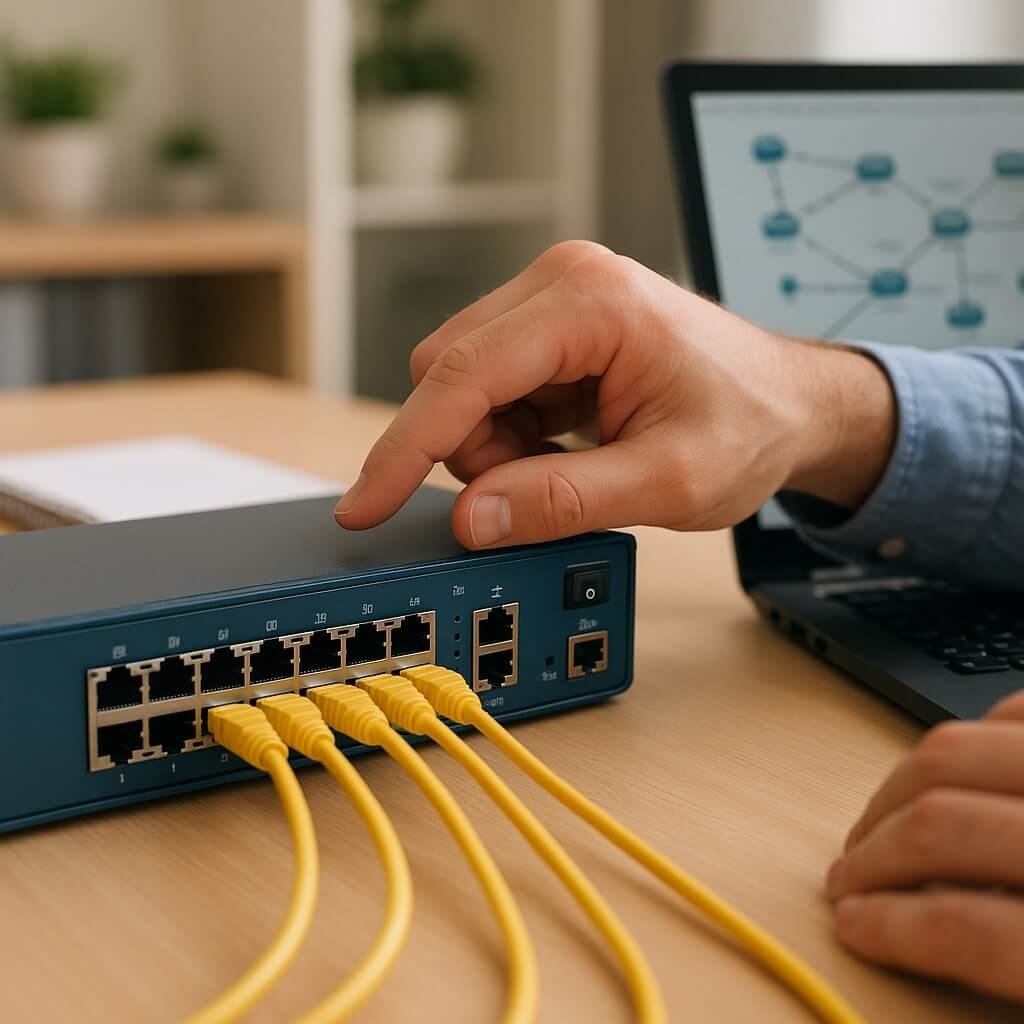
In today’s interconnected world, IoT devices present unique security challenges that require your attention. Understanding the risks associated with these devices is vital. You must prioritize robust authentication, regular updates, and effective data encryption to safeguard your network. Additionally, implementing proper network segmentation can greatly enhance your security posture. The strategies you choose will determine how well you protect sensitive information and maintain compliance with evolving regulations. What steps will you take to fortify your IoT security?
Key Takeaways
- Implement multi-factor authentication and role-based access control to enhance device authentication and limit unauthorized access.
- Regularly conduct risk assessments and vulnerability evaluations to identify and address potential security weaknesses in IoT devices.
- Utilize data encryption techniques to protect sensitive information and ensure compliance with regulatory requirements.
- Employ network segmentation and monitoring strategies to isolate IoT devices and analyze traffic for anomalous behavior.
- Provide user education on secure device management and phishing prevention to strengthen overall security awareness.
Understanding IoT Security Risks
As the Internet of Things (IoT) continues to expand, understanding the security risks associated with these interconnected devices becomes essential.
The IoT threat landscape is increasingly complex, with vulnerabilities arising from device misconfigurations, outdated firmware, and insufficient encryption standards. You must conduct a thorough risk assessment to identify potential attack vectors and prioritize your security measures.
By recognizing the unique threats posed by each device type, you can implement targeted strategies to mitigate risks. Additionally, consider the implications of data privacy, as unauthorized access can lead to severe repercussions.
Recognizing device-specific threats enables targeted risk mitigation, while safeguarding data privacy is crucial to prevent severe repercussions.
Staying informed about emerging threats and actively monitoring your IoT environment will help you maintain a robust security posture in this rapidly evolving digital ecosystem.
Device Authentication and Authorization
While many organizations focus on securing their networks, device authentication and authorization remain critical components of IoT security that can’t be overlooked.
Implementing robust authentication methods guarantees only authorized devices connect, while strict access control prevents unauthorized access to sensitive data.
To enhance your device authentication and authorization strategy, consider these key principles:
- Multi-Factor Authentication (MFA): Use MFA to add an extra layer of security beyond just passwords.
- Device Identity Management: Maintain a secure database for device identities to validate connections.
- Role-Based Access Control (RBAC): Assign permissions based on user roles to limit access to necessary resources.
- Regular Audits: Conduct frequent security assessments to identify vulnerabilities in your authentication processes.
Data Encryption Techniques
When securing IoT networks, understanding data encryption techniques is essential.
You’ll need to recognize the importance of encryption, the various types available, and implement best practices to safeguard sensitive information effectively.
Each method has its strengths, and choosing the right one can greatly enhance your network’s security posture.
Importance of Data Encryption
Data encryption serves as a fundamental pillar of IoT network security, ensuring that sensitive information remains protected from unauthorized access and potential breaches.
By implementing robust encryption techniques, you enhance data privacy and facilitate secure communication across devices.
Here are four reasons why data encryption is essential:
- Protection of Sensitive Data: It secures personal and proprietary information from malicious entities.
- Integrity Assurance: Encryption helps maintain data integrity, ensuring that information isn’t altered during transmission.
- Regulatory Compliance: Many industries require encryption to meet data protection regulations, safeguarding your organization against legal repercussions.
- Trust Building: By prioritizing encryption, you foster user trust, demonstrating your commitment to protecting their information.
Incorporating these measures is fundamental for a resilient IoT ecosystem.
Types of Encryption Methods
Understanding the various types of encryption methods is essential for implementing effective IoT network security. You’ll primarily encounter symmetric encryption and asymmetric encryption.
Symmetric encryption uses a single key for both encryption and decryption, making it fast and efficient for large data sets. However, it requires secure key management to prevent unauthorized access.
On the other hand, asymmetric encryption involves a pair of keys: a public key for encryption and a private key for decryption. This approach enhances security, as the private key never leaves the device.
While symmetric encryption is suitable for real-time applications, asymmetric encryption is beneficial for secure communications, such as transmitting sensitive data over the Internet.
Choosing the right method depends on your specific IoT application needs.
Best Practices for Implementation
Implementing effective data encryption techniques in IoT networks requires a strategic approach to guarantee security and efficiency.
To achieve this, consider the following best practices:
- Establish IoT Policies: Develop clear policies that govern data encryption within your network, ensuring compliance with security frameworks.
- Conduct Risk Assessments: Regularly assess potential vulnerabilities to identify areas requiring robust encryption methods.
- Implement Access Controls: Use strict access controls to limit who can decrypt sensitive data, enhancing device management.
- Provide Security Training: Educate your team on encryption techniques and incident response, reinforcing the importance of compliance audits.
Regular Software Updates and Patching
To maintain robust IoT network security, timely software updates and patching are essential for mitigating vulnerabilities.
You need to guarantee that your devices are equipped with the latest security features, as outdated software can be an open door for attacks.
Automating software management can streamline this process, allowing you to focus on more strategic security measures while minimizing risks.
Importance of Timely Updates
While many IoT devices offer remarkable functionalities, their security can quickly deteriorate without regular software updates and patching. Ensuring timely updates is essential for maintaining robust security.
Here’s why you should prioritize update frequency:
- Vulnerability Mitigation: Timely patching addresses known security flaws, reducing the risk of exploitation.
- Performance Enhancements: Regular updates can optimize device performance and functionality, ensuring efficiency.
- Compliance Adherence: Keeping software current helps you meet regulatory requirements, avoiding potential penalties.
- User Trust: Demonstrating a commitment to security through consistent updates fosters user confidence in your devices.
Automating Software Management
Automating software management for regular updates and patching can markedly enhance the security posture of IoT devices.
By implementing automated deployment processes, you streamline the software lifecycle, ensuring that devices receive timely updates without manual intervention. This reduces the risk of human error and accelerates the response to emerging vulnerabilities.
Automated systems can schedule updates based on device requirements, prioritizing critical patches that address known security flaws. Additionally, they can verify successful installations, maintaining an audit trail for compliance and accountability.
By integrating automated management tools, you not only minimize downtime but also fortify your security measures, enabling IoT devices to operate securely in an increasingly complex threat landscape.
Embrace automation to keep your IoT ecosystem resilient and secure.
Vulnerability Mitigation Strategies
Regular software updates and patching are critical components in mitigating vulnerabilities within IoT networks, as they address security gaps before they can be exploited.
To effectively manage risks, consider these strategies:
- Conduct Regular Vulnerability Assessments: Identify and prioritize weaknesses in your IoT devices and networks.
- Implement Automated Update Mechanisms: Streamline the update process to guarantee timely deployment of patches.
- Monitor Vendor Release Notes: Stay informed about new vulnerabilities and available patches from device manufacturers.
- Establish a Risk Management Framework: Develop a systematic approach to assess risks associated with unpatched vulnerabilities and allocate resources efficiently.
Network Segmentation Strategies
As organizations increasingly adopt IoT devices, implementing effective network segmentation strategies becomes essential to enhance security. By leveraging network isolation, you can confine IoT devices to separate segments, limiting potential attack vectors. Traffic filtering plays a vital role here; it allows you to control the data flow between segments, preventing unauthorized access and data breaches.
Here’s a concise overview of key segmentation strategies:
| Strategy | Purpose | Benefits |
|---|---|---|
| VLANs | Create isolated segments | Improved security |
| Firewalls | Control traffic | Enhanced monitoring |
| Subnetting | Limit broadcast domains | Reduced congestion |
| Access Control Lists | Define permissions | Granular control |
| DMZs | Protect critical systems | Risk mitigation |
Implementing these strategies will markedly strengthen your IoT network’s security posture.
Monitoring and Anomaly Detection
Effective network segmentation is only one piece of the puzzle when it comes to securing IoT environments; continuous monitoring and anomaly detection are equally important.
By implementing robust monitoring systems, you can swiftly identify irregular patterns that may indicate security breaches. Here are four key components to take into account:
- Real-time Data Collection: Gather data from all connected devices to enable thorough behavior analysis.
- Anomaly Detection Algorithms: Employ machine learning to recognize deviations from normal behavior.
- Automated Anomaly Response: Set up systems to respond to detected anomalies without human intervention.
- Regular Audits: Conduct periodic assessments to verify monitoring tools are effective and up-to-date.
Incorporating these strategies will enhance your IoT network’s security posture considerably.
User Education and Awareness
While technology can significantly bolster IoT network security, the human element remains a vital factor that can’t be overlooked. Effective user training and awareness campaigns are essential to empower you and your colleagues with security best practices.
Understanding your responsibilities in device management, such as secure configurations and updates, is important. You should also be educated on phishing prevention tactics and safe browsing habits to mitigate risks.
Regular risk assessments can help you identify vulnerabilities, while a well-defined incident response plan prepares you for potential breaches. By recognizing the threats posed by social engineering, you can better safeguard sensitive information.
Ultimately, informed users serve as a strong line of defense in an increasingly interconnected world.
Compliance With Security Standards and Regulations
User education and awareness set the foundation for a secure IoT environment, but compliance with security standards and regulations takes that security to the next level.
By adhering to established regulatory frameworks, you guarantee that your IoT devices are protected against evolving threats. Here are key aspects to reflect on:
- Identify Relevant Regulations: Recognize which regulations apply to your industry and region.
- Conduct Compliance Audits: Regularly assess your systems against compliance standards to identify vulnerabilities.
- Implement Security Controls: Utilize encryption, access controls, and authentication measures as mandated by regulations.
- Stay Informed: Keep abreast of changes in regulatory frameworks to maintain compliance and protect your IoT infrastructure.
Conclusion
To summarize, prioritizing IoT network security is essential for safeguarding sensitive data and maintaining system integrity. By implementing robust device authentication, ensuring data encryption, and performing regular updates, you can greatly mitigate risks. Network segmentation and continuous monitoring further enhance your defenses against potential threats. Additionally, fostering user education and adhering to compliance standards will empower you to create a resilient IoT environment, ultimately leading to a more secure and efficient operational landscape.