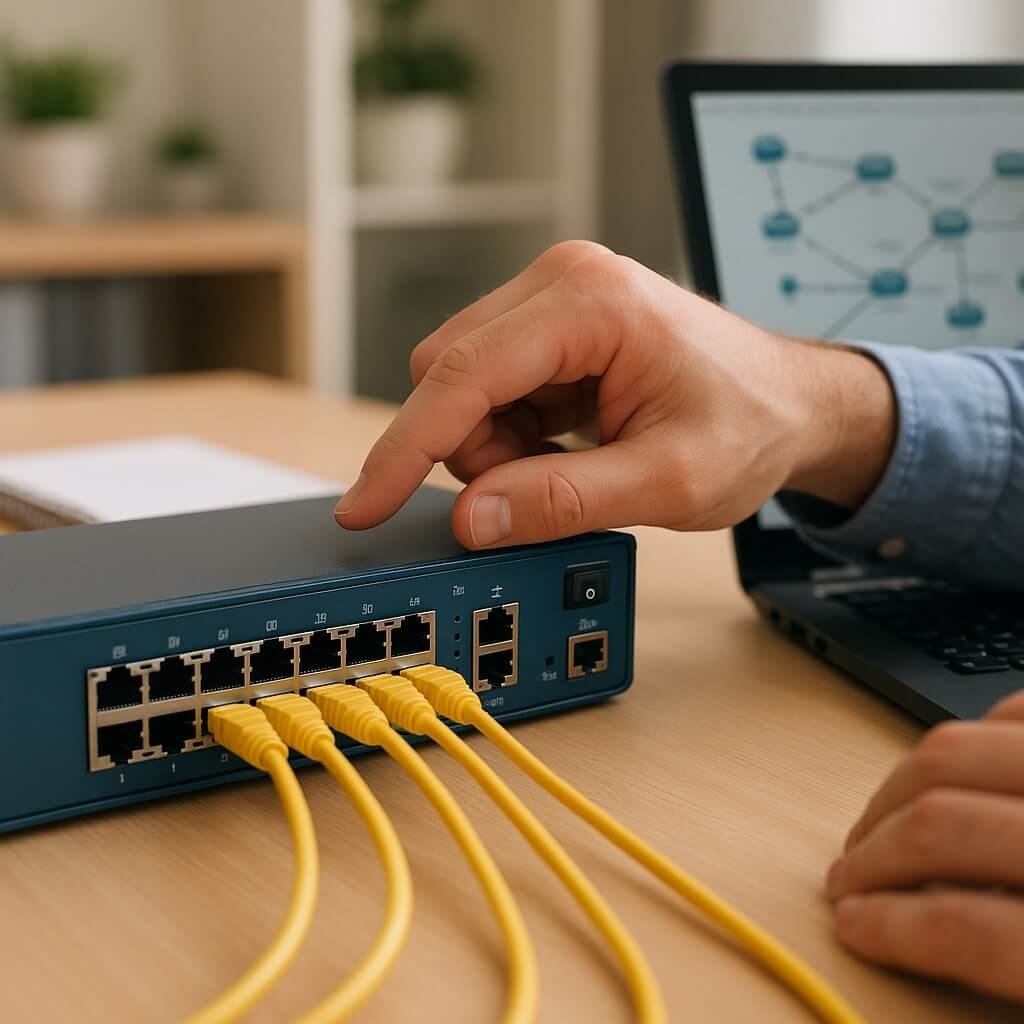
Network administration and security are critical components of maintaining efficient and secure computer networks. You manage operations, troubleshoot issues, and implement security measures to protect sensitive information. As cyber threats evolve, understanding the intricacies of network security becomes essential for safeguarding organizational integrity. What are the specific responsibilities you need to focus on, and how can best practices and emerging technologies enhance your strategies?
Key Takeaways
- Network administration involves managing and maintaining computer networks to ensure optimal performance, security, and reliability.
- It includes overseeing network operations, monitoring traffic, and troubleshooting issues to maintain seamless connectivity.
- Network security focuses on protecting sensitive data from threats like malware, phishing, and ransomware while ensuring system integrity.
- Best practices for network administration include regular audits, robust monitoring, and structured change management to prevent vulnerabilities.
- Future trends involve AI for threat detection, automation of tasks, and adopting a zero trust framework for enhanced security.
Definition of Network Administration
Network administration refers to the management and maintenance of computer networks, guaranteeing ideal performance and security.
You play a significant role in overseeing network operations, which involves implementing effective network monitoring tools. These tools allow you to continuously assess network performance, detect anomalies, and generate alerts for potential issues.
When problems arise, your proficiency in troubleshooting techniques becomes critical. You’ll need to identify root causes swiftly, applying systematic methods to resolve issues efficiently.
By leveraging both monitoring and troubleshooting, you maintain optimal network functionality and prevent downtime. Your expertise guarantees that users experience seamless connectivity and that sensitive data remains secure.
Leveraging monitoring and troubleshooting ensures seamless connectivity and safeguards sensitive data, maintaining optimal network functionality.
In this way, network administration serves as a significant backbone to organizational infrastructure.
Key Responsibilities of Network Administrators
As a network administrator, you’re tasked with managing network configurations to guarantee ideal performance and reliability.
You also implement security protocols to protect sensitive data from unauthorized access and threats.
Understanding these key responsibilities is vital for maintaining a secure and efficient network environment.
Network Configuration Management
Effective network configuration management is essential for guaranteeing that your organization’s IT infrastructure operates smoothly and securely.
By employing network monitoring tools and leveraging configuration automation, you can maintain peak performance and reduce downtime.
Here are three key responsibilities you need to focus on:
- Documentation: Keep detailed records of your network configurations to facilitate troubleshooting and compliance.
- Change Management: Implement a structured process for changes to prevent disruptions and guarantee network stability.
- Regular Audits: Conduct periodic reviews of configurations to identify vulnerabilities and guarantee adherence to best practices.
Security Protocol Implementation
Implementing robust security protocols is vital for safeguarding your organization’s network against threats and vulnerabilities. As a network administrator, you must establish and enforce security measures that align with recognized protocol standards. This includes deploying firewalls, intrusion detection systems, and encryption methods to protect sensitive data.
Regularly updating these protocols guarantees they remain effective against emerging threats. You’ll also need to conduct risk assessments, monitor network traffic, and respond to incidents promptly.
Establishing user access controls and educating staff about security best practices is essential in maintaining a secure environment. By prioritizing security protocol implementation, you not only protect your network but also foster a culture of security awareness within your organization.
Overview of Network Security
Network security is vital for protecting sensitive data and maintaining the integrity of your systems.
You’ll encounter various common security threats, including malware, phishing attacks, and unauthorized access attempts.
Understanding these risks is essential to implementing effective measures that safeguard your network.
Importance of Network Security
In today’s digital landscape, safeguarding your data is paramount, as threats to information integrity and confidentiality are ever-evolving.
You must understand the importance of network security to mitigate network vulnerabilities and enhance cybersecurity awareness.
Here are three critical reasons to prioritize network security:
- Prevent Data Breaches: Protecting sensitive information reduces the risk of costly breaches that can damage your reputation and finances.
- Maintain Service Availability: Ensuring your network is secure helps avoid downtime, which can disrupt operations and lead to lost revenue.
- Compliance with Regulations: Adhering to legal and industry standards not only protects your organization but also builds trust with clients and stakeholders.
Common Security Threats
As cyber threats continually evolve, understanding common security threats is essential for any organization aiming to protect its data and infrastructure.
Phishing attacks exploit your employees’ trust, leading to credential theft. Malware infections can cripple systems, causing significant downtime and data loss. Insider threats, whether intentional or accidental, can jeopardize sensitive information from within your organization.
Denial of service attacks disrupt your network, rendering services unavailable. Ransomware attacks encrypt your data, demanding payment for its release, while data breaches expose confidential information to unauthorized users.
Additionally, social engineering manipulates individuals into divulging sensitive information. Identifying and addressing network vulnerabilities is vital to mitigating these threats and ensuring robust network security.
Stay vigilant to safeguard your organization’s assets.
Importance of Network Security in Organizations
While many organizations prioritize technological advancements, neglecting network security can lead to catastrophic consequences. A robust network security framework is essential for safeguarding sensitive data and maintaining operational integrity.
Neglecting network security in favor of technology can have devastating effects on data safety and operational continuity.
Here are three critical reasons to prioritize network security:
- Financial Loss: Data breaches can cost organizations millions in recovery and legal fees.
- Reputation Damage: A single incident can erode customer trust and tarnish your brand.
- Regulatory Fines: Non-compliance with security regulations can result in hefty penalties.
To mitigate these risks, invest in employee training and establish a solid incident response plan.
Common Threats to Network Security
Understanding common threats to network security is essential for any organization looking to protect its digital assets.
Social engineering tactics, like phishing scams, often manipulate users into revealing sensitive information.
Malware attacks, including ransomware incidents, can cripple your systems and demand hefty ransoms for recovery.
Insider threats, whether intentional or accidental, pose significant risks, as employees may inadvertently compromise security protocols.
Denial of service attacks can overwhelm your network, rendering services unavailable, while data breaches expose confidential information, potentially leading to legal repercussions.
Finally, neglecting physical security can result in unauthorized access to sensitive hardware or data.
Best Practices for Network Administration
Effective network administration hinges on a solid foundation of best practices that guarantee peak performance and security.
Effective network administration relies on best practices that ensure optimal performance and robust security.
By implementing these strategies, you can minimize risks and enhance the overall functionality of your network.
- Establish Robust Network Monitoring: Regularly track network performance to quickly identify and address issues before they escalate.
- Control User Access: Limit permissions based on roles to prevent unauthorized access, assuring only the right people have the right level of access.
- Maintain Regular Updates: Keep your software and hardware updated to protect against vulnerabilities and assure compatibility with new technologies.
Tools and Technologies for Network Management
In the domain of network management, leveraging the right tools and technologies is essential for optimizing performance and ensuring security. You’ll find that network monitoring tools help you track traffic, diagnose issues, and maintain uptime. Equally important, network automation technologies streamline repetitive tasks, reducing human error and enhancing efficiency.
| Tool Type | Purpose |
|---|---|
| Network Monitoring Tools | Monitor traffic and identify issues |
| Network Automation Technologies | Automate tasks for efficiency |
| Performance Analysis Tools | Assess network speed and reliability |
| Security Management Tools | Identify and mitigate security threats |
The Role of Network Security Policies
While many organizations focus on technology and tools to bolster their network defenses, the establishment of robust network security policies is equally essential.
These policies define how you manage network access and safeguard sensitive data. Without them, your organization could be vulnerable to significant risks.
Consider the following:
- Data Breaches: Inadequate policies can lead to unauthorized access, exposing confidential information.
- Compliance Issues: Failing to implement security guidelines may result in legal penalties during security audits.
- Operational Disruption: A lack of clear protocols can cause chaos during a security incident, impacting productivity.
Future Trends in Network Administration and Security
As organizations increasingly rely on digital infrastructures, the future of network administration and security will be shaped by advancements in artificial intelligence, automation, and cloud technologies.
You’ll see a rise in AI integration, enabling predictive analytics that enhance threat detection. Automation trends will streamline routine tasks, allowing you to focus on strategic security initiatives.
Adopting a zero trust framework will become essential for securing remote access, especially as IoT challenges continue to grow. Additionally, cloud security will play a significant role in protecting data across distributed environments.
Staying compliant with evolving regulations will require continuous cybersecurity training for your team, ensuring they’re equipped to handle emerging threats and maintain organizational resilience in the face of an ever-changing landscape.
Conclusion
In summary, effective network administration and security are vital for maintaining the integrity and performance of computer networks. By understanding key responsibilities, recognizing common threats, and implementing best practices, you can safeguard sensitive data and guarantee compliance with regulations. Utilizing advanced tools and establishing robust security policies will further enhance your network’s resilience against cyber threats. As technology evolves, staying informed about future trends will be essential to adapting your strategies for peak security and management.